Loft Conversions — Newbury RG14
Dormer Loft Conversion in Newbury — 1960s Bungalow Master Suite
Location
Newbury, RG14
Project Type
Loft Conversions
Duration
14 weeks on site
Scope
Full bungalow dormer conversion, structural steels, new staircase, master en suite
Prefer Email?
Email Us for a No-Pressure Quote
Not ready to pick up the phone? Send a few details below and Pindi Sahota will reply personally — usually within one working day — with honest, straightforward advice. There is no sales pitch and no obligation, whether you are just exploring ideas or ready for a written quote.
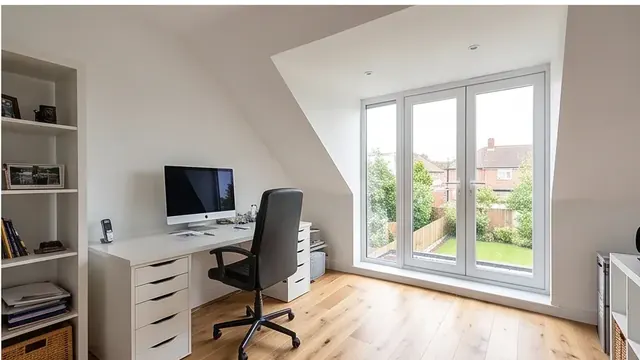
The Brief
A 1963-built detached bungalow in Newbury, RG14. The roof space had substantial volume but the existing structure was a traditional cut rafter roof with a ridge height of 3.1m — plenty of potential. The clients wanted to convert the entire loft into a master suite: bedroom, en suite, and dressing area. Because it was a bungalow, a new staircase from the existing hallway into the loft was required. If your property and your loft conversion plans look anything like this, get in touch — we'll tell you honestly what your loft can and can't do before you commit to anything.
Our Approach
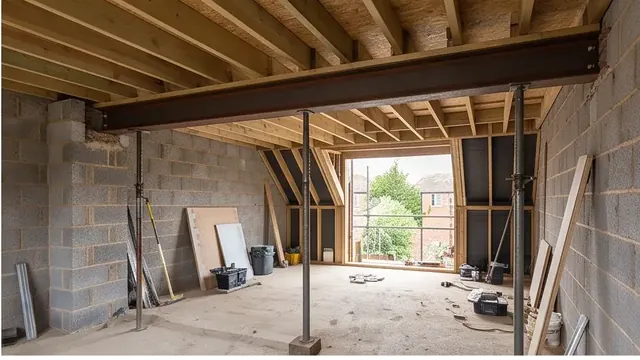
A bungalow dormer loft conversion is more structurally complex than a terrace or semi conversion. The entire roof structure effectively becomes the new floor and ceiling — the existing ceiling joists (designed only to carry plasterboard, not a habitable floor) had to be replaced with a properly engineered floor structure. West Berkshire Council Building Control were notified. Structural engineer designed: three 203x133 UC steel beams to carry the new loft floor at ceiling level, new 195mm C24 floor joists spanning between, and the dormer frame specification.
The Build
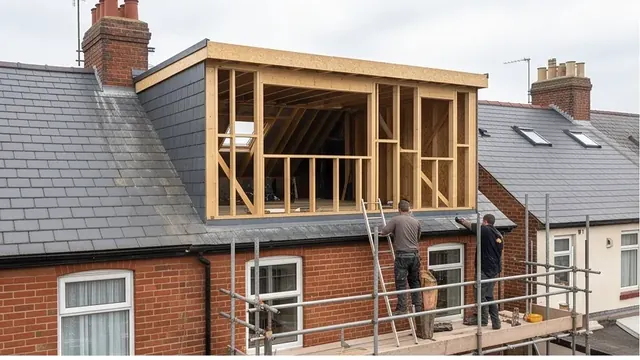
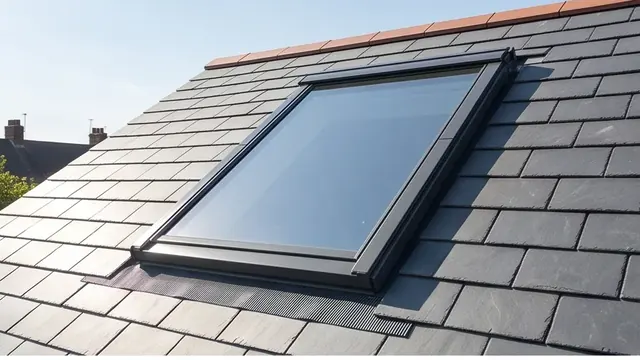
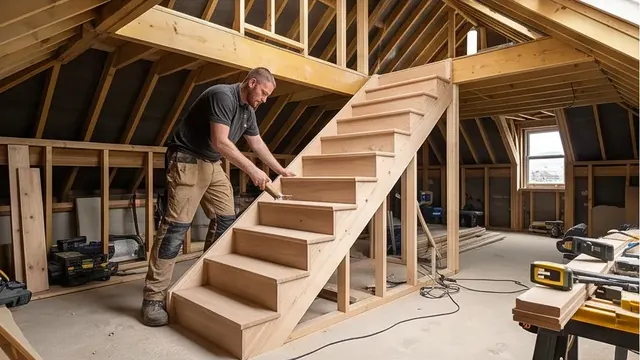
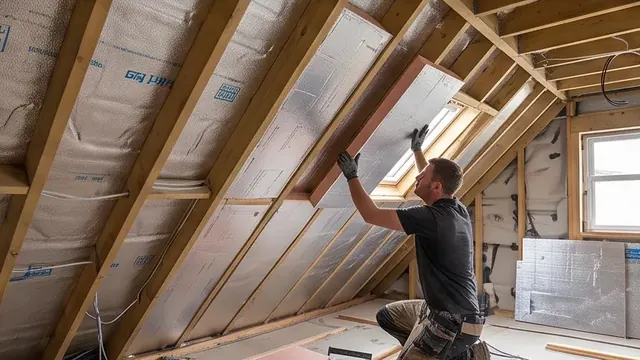
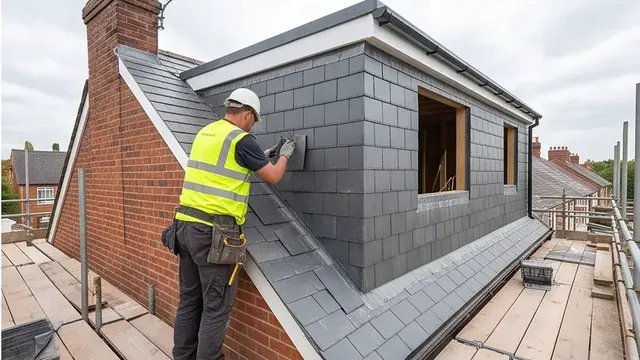
A large scaffold was erected covering the full rear slope. The rear roof slope tiles were stripped and stored. The three UC steels were lifted into position using a mini-crane — the existing bungalow ceiling was carefully opened in sections to drop the beams onto padstones on the external walls. New 195mm C24 floor joists installed across the full span. The large rear dormer was framed in 89x38mm C16 timber — spanning approximately 6m wide and 4m deep. External cladding: cement fibre board (Hardieplank Smooth). Dormer flat roof: GRP fibreglass. Large fixed and opening windows to the rear dormer face. Roof tiles re-laid to the front slopes. Internal insulation: 100mm between rafters, 50mm below — achieving 0.16 W/m²K. New staircase: a 2.4m rise dog-leg staircase from the hallway, with a trimmer beam to the existing joist to form the stairwell opening. En suite first fix: waste runs to existing soil stack, water supply from loft tank.
Materials & Specification
Steels: 203x133 UC x3. Floor joists: 195mm C24. Dormer cladding: Hardieplank Smooth 8mm. GRP membrane: laid-up fibreglass roof system. Insulation: Kingspan K7 100mm + 50mm. Staircase: softwood dog-leg, 42mm treads, white painted.
The Result
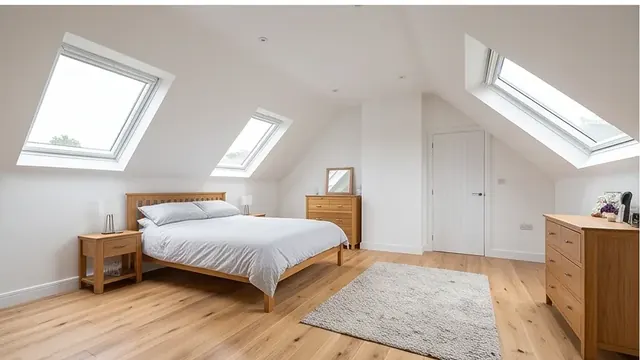
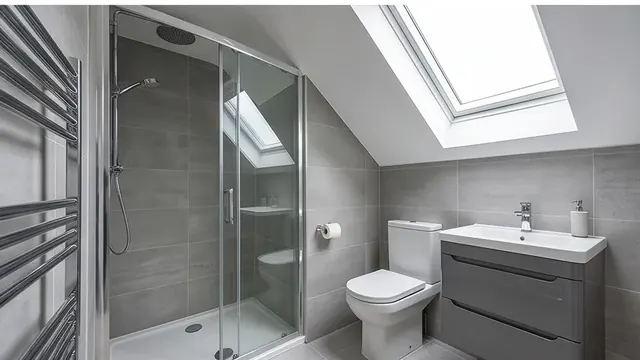
The completed loft conversion added 42 square metres of habitable floor space to the bungalow — a master bedroom of 22 square metres, en suite of 7 square metres, and dressing room of 6 square metres, with 7 square metres of landing and stairwell. The rear dormer is substantial and gives the bungalow a very different roof profile — more house than bungalow. The clients described it as transformative.
Project Photos
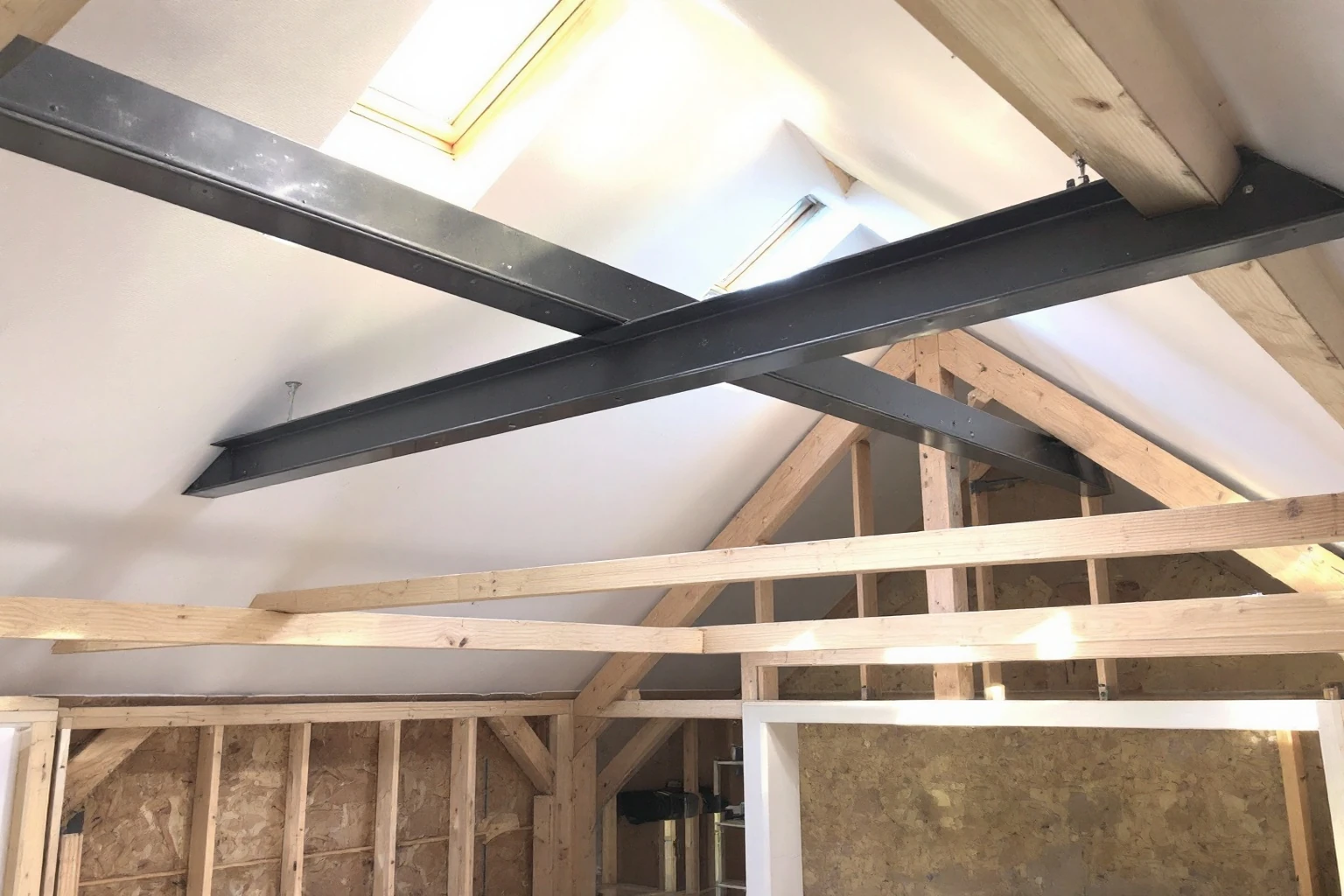
Structural steel beams installed at ceiling level — bungalow loft Newbury
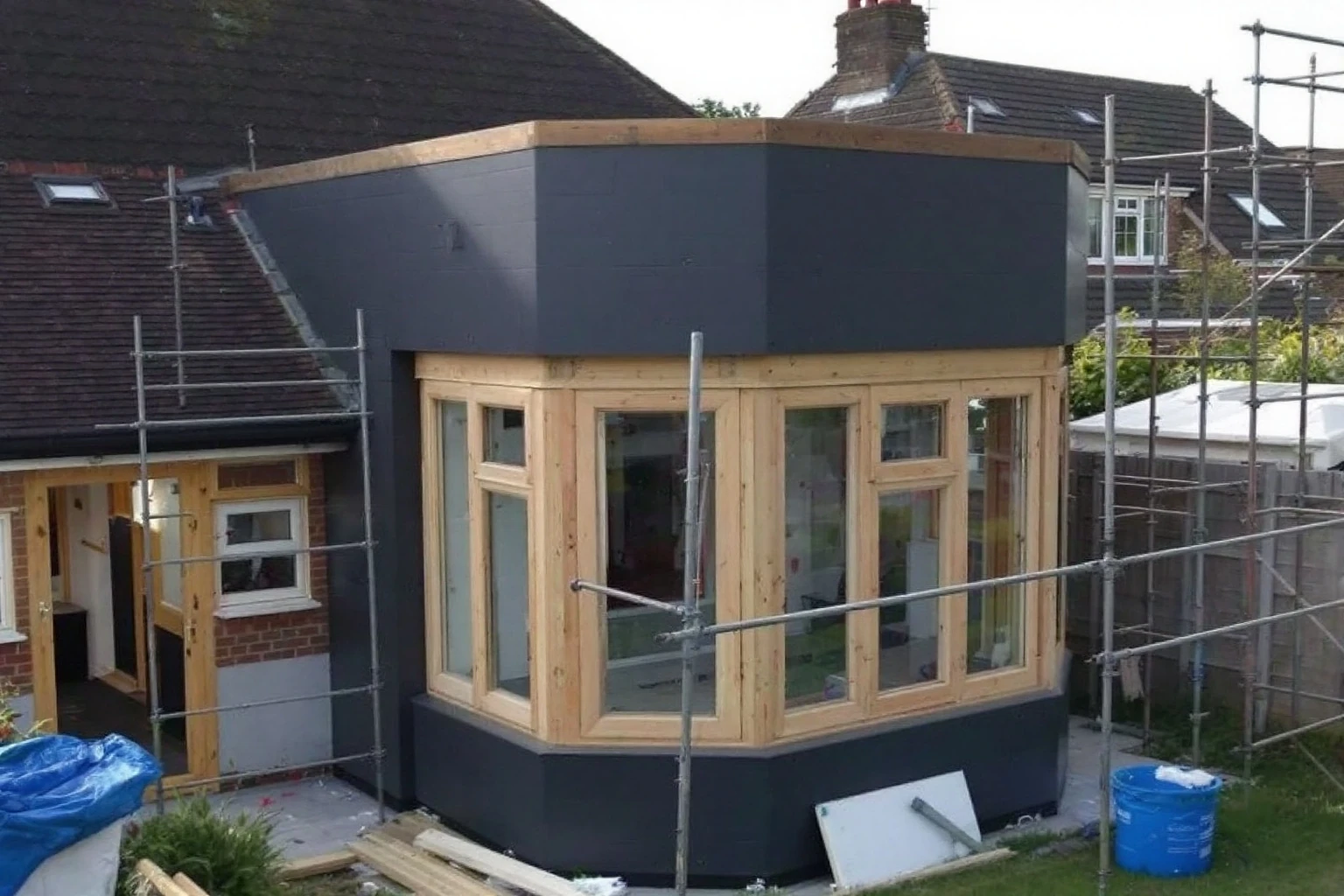
Large rear dormer frame and cladding — Newbury loft conversion
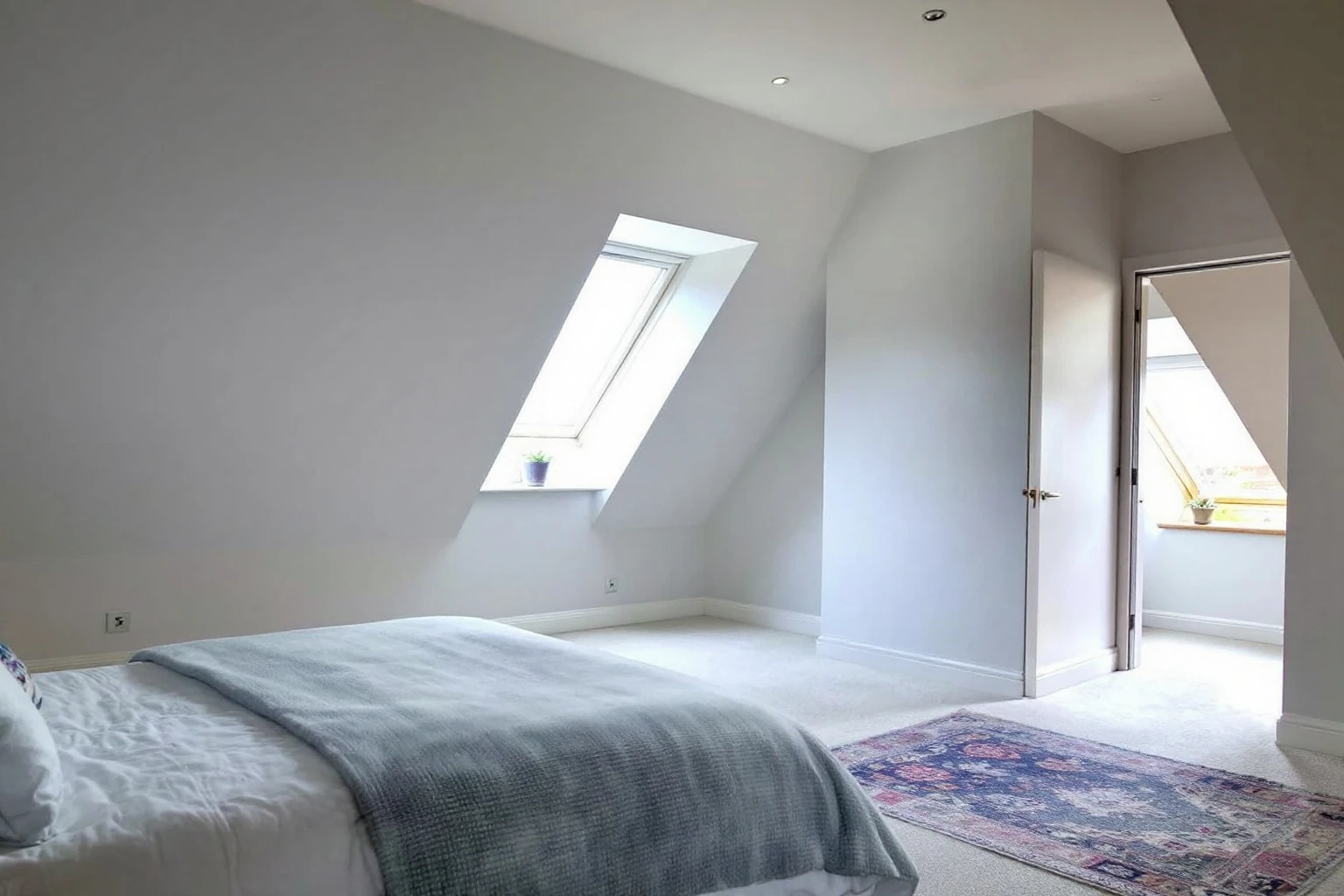
Completed master bedroom suite in converted loft — Newbury RG14
See more finished projects in our full gallery.
Project FAQs
Is converting a bungalow loft more complex than a house?
Yes — significantly. A bungalow's existing ceiling joists are not designed to support floor loading. A full new structural floor has to be built at ceiling level before anything else can be done. The steelwork requirement is also different. We always carry out a detailed structural assessment on bungalow lofts before quoting.
Did this need planning permission?
Planning was required for this project because the dormer exceeded the permitted development limits for a bungalow under West Berkshire Council's policies. The application was straightforward and approved within 8 weeks.
How long did the project take?
14 weeks on site. The planning application added 10 weeks to the pre-build phase.
Why Choose Berkshire Bespoke Builders
- ✓Owner-managed — Pindi Sahota is on site and managing your job personally
- ✓32 years on the tools — time-served builder, 25 years fitting bespoke kitchens
- ✓Fully insured — public liability and employer's liability on every project
- ✓Fixed-price written quotes — itemised by material and labour
- ✓Building regs managed — we submit applications and attend all inspection stages
- ✓Based in Bracknell — covering all of Berkshire. No travel surcharges or delays
Start a Similar Project
Interested in loft conversions in Newbury or nearby? Get a free written quote.
Start Your Project 07399 651 836Planning a Similar Project in Newbury?
Get a free written quote from Berkshire Bespoke Builders — usually within 10 working days, depending on the size of your project.